ACH Services: Get Paid Faster for Less

Your customers can pay you in more ways than swiping a card. ACH (Automated Clearing House) is the same NACHA-governed network that moves money when you pay your mortgage or set up direct deposit payroll. It’s been around since the 1970s, it’s reliable, and for the right transactions, it’s significantly less expensive than card processing.


Most processors don’t bring this up: the decision to accept ACH or cards isn’t just about technology. It’s about where your money is going, and how to keep more of it.
Why Card Processing Costs More Than You Think

Every time a customer pays with a credit card, interchange fees flow to three separate parties: the card network (Visa or Mastercard), the issuing bank, and the payment processor. That’s three entities taking a slice before the money hits your account. On a $1,000 transaction, interchange plus processor markup typically runs $25 to $30.


ACH transactions bypass Visa and Mastercard entirely. They move directly between bank accounts over the NACHA network. The average cost per transaction on all not-in-person card payments is above 2.00%. The average cost on all ACH transactions through the Task Force Payments Gateway is well below 0.50%, and capped for larger transaction amounts.


For businesses processing high-dollar invoices, subscriptions, or B2B payments, that 1.50%-plus difference is real money.

When ACH Makes Sense for Your Business

ACH isn’t the right tool for every transaction. If someone is buying a $12 lunch, you want a card reader. But for a lot of business scenarios, ACH bank transfer processing is the smarter move:

Recurring billing and subscriptions. Monthly service fees, memberships, retainers. Set it up once, collect automatically using PPD (prearranged payment and deposit) ACH entries.

Large invoices. Service businesses, contractors, wholesalers. When a single payment is $500 or more, the per-transaction savings are significant.

B2B payments. Businesses paying other businesses rarely care which method they use. Give them an ACH option and most will take it.

Customers who prefer not to use credit cards. Not everyone wants to put a big purchase on plastic.

How to Actually Get Customers to Use ACH

The most common question we hear: “My customers always pay by card. How do I get them to switch?”


You have a few options, and none of them require arm-twisting.

Pass Along The Savings

Some states allow merchants to apply a credit card surcharge, which reflects the actual cost of interchange. When customers see that paying by ACH bank transfer is cheaper for them too, many will make the switch on their own.

Build it Into Your Invoicing

When you send an invoice, include an “ACH / bank transfer” option alongside the card option. Make it easy. A lot of customers will choose whatever requires the fewest steps.

Offer a Cash Discount for ACH

Instead of a surcharge, frame it as a small discount for bank payments. Same math, different psychology. “Pay by bank transfer and we’ll take 1% off” lands a lot better than “we charge extra for credit cards.”

What Task Force Payments Sets Up for You

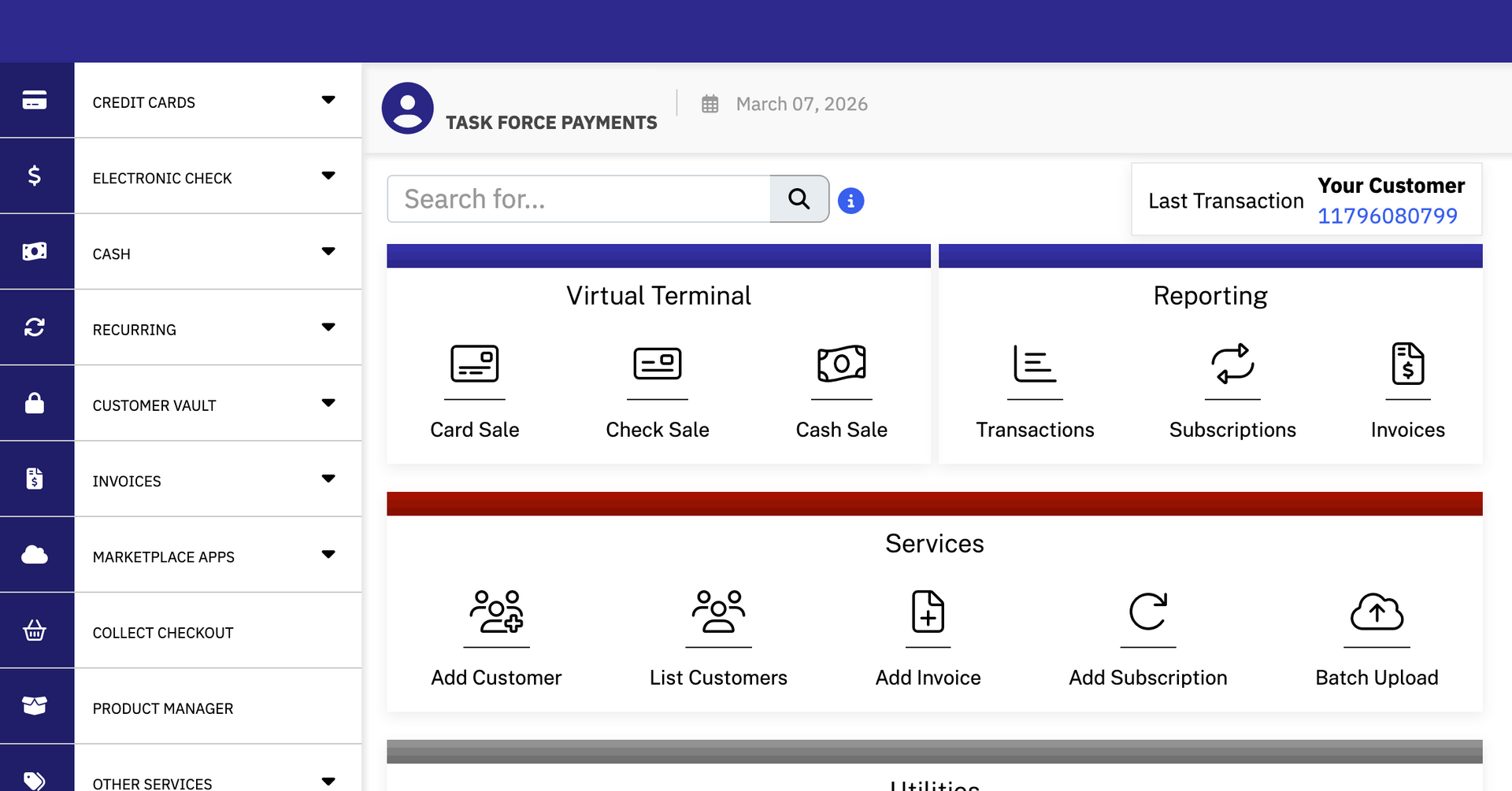
Task Force Payments processes ACH through solutions that connect directly to your existing invoicing software, billing platform, website, or payment gateway. No matter how you share click-to-pay links, you can offer your customers the option to enter ACH info or their card data.


If you’re currently only set up for card processing, adding ACH bank transfer isn’t complicated. It’s a conversation worth having.


Get in touch and we’ll walk you through whether ACH makes sense for your business.