E-Commerce Payment Processing for Online Stores
Selling online is a different animal than selling in person. The customer isn’t standing in front of you, you can’t swipe their card, and if something goes wrong with checkout, they don’t come back. Getting your e-commerce payments set up correctly from the start saves you a lot of headaches later.
Security Comes First: PCI DSS, SSL, and Tokenization
Before you pick a shopping cart or compare rates, you need to understand the security layer underneath all of it.
PCI DSS compliance, SSL/TLS certificates, tokenization, and 3D Secure 2.0 (3DS2): these aren’t buzzwords to ignore. They’re the rules of the road for accepting card payments online. If your setup doesn’t handle them properly, you’re exposed to chargebacks, data breaches, and the kind of liability that shuts businesses down.
Tokenization replaces raw cardholder data with a surrogate token, which means sensitive payment credentials never sit on your server. 3DS2 shifts fraud liability from the merchant to the card issuer when authentication passes, which is meaningful protection for card-not-present transactions.
We walk every e-commerce client through what they’re actually responsible for. Some of that responsibility lands on you as the merchant, and some of it gets handled by your payment processor or payment gateway. Knowing which is which matters.
The short version: don’t cut corners on security to save $20 a month. It’s not worth it.
Your Shopping Cart Is a Business Decision, Not Just a Tech Decision
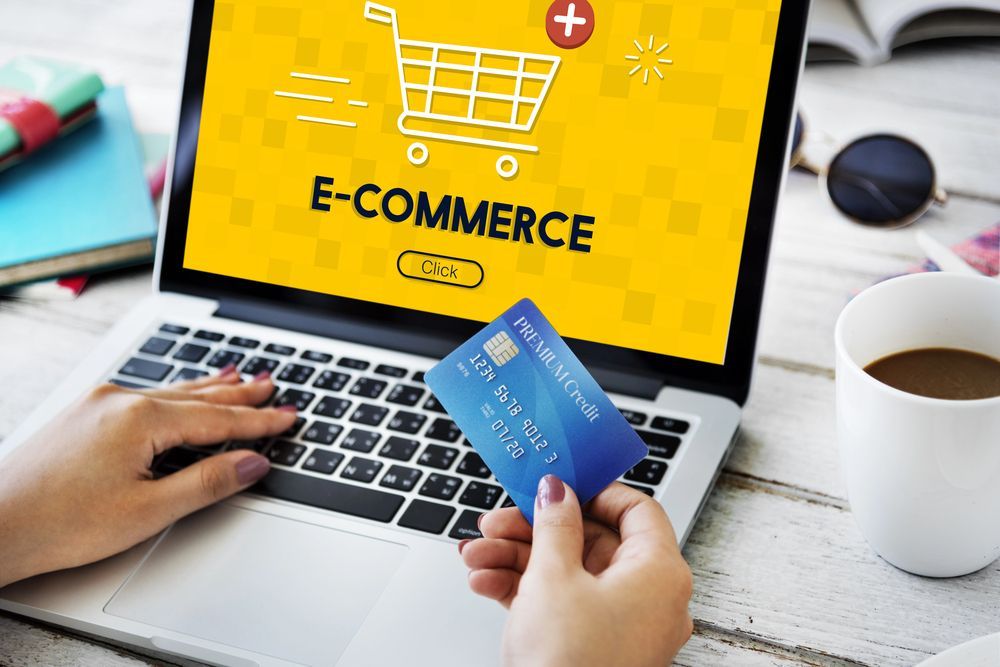
Not every shopping cart works the same way, and not every cart is the right fit for every business.
Open-source platforms, hosted storefronts, and custom-built solutions all have different payment gateway integration options, different transaction fee structures, and different limitations. Some platforms give you full control over your payment stack. Others restrict third-party processor integrations unless you pay an additional transaction fee. What works for a boutique clothing store may be a poor fit for a B2B company processing large invoices via ACH.
We’re not in the shopping cart business. What we do is help you understand how your payment processing options connect to whatever platform you’re on (or considering). If you’re already locked into a platform, we figure out the best path from there. If you’re starting fresh, we can tell you what questions to ask before you commit.
The goal is a setup where your payment flow doesn’t fight your business model.
All-in-One Platforms: Convenient, But Read the Fine Print
Some e-commerce platforms bundle payment processing into the package. That’s genuinely useful, especially when you’re starting out. Less setup, fewer moving parts, one dashboard.
The trade-off is that you’re operating inside a closed ecosystem. The platform controls the rates. The platform controls the rules. If the platform even allows you to use an outside payment processor, they often charge an additional transaction fee on top of everything else, typically between 0.5% and 2%. And if they don’t like what you’re selling, they can shut you down with limited recourse.
None of that makes all-in-one platforms bad. For a lot of businesses, the convenience is worth it. We just want you to know what you’re agreeing to before you build your entire business on someone else’s infrastructure.
If you outgrow that ecosystem, or if the rates stop making sense as your volume grows, we can help you move to an independent merchant account with a payment partner who actually works for you.
Let’s Talk About Your Setup
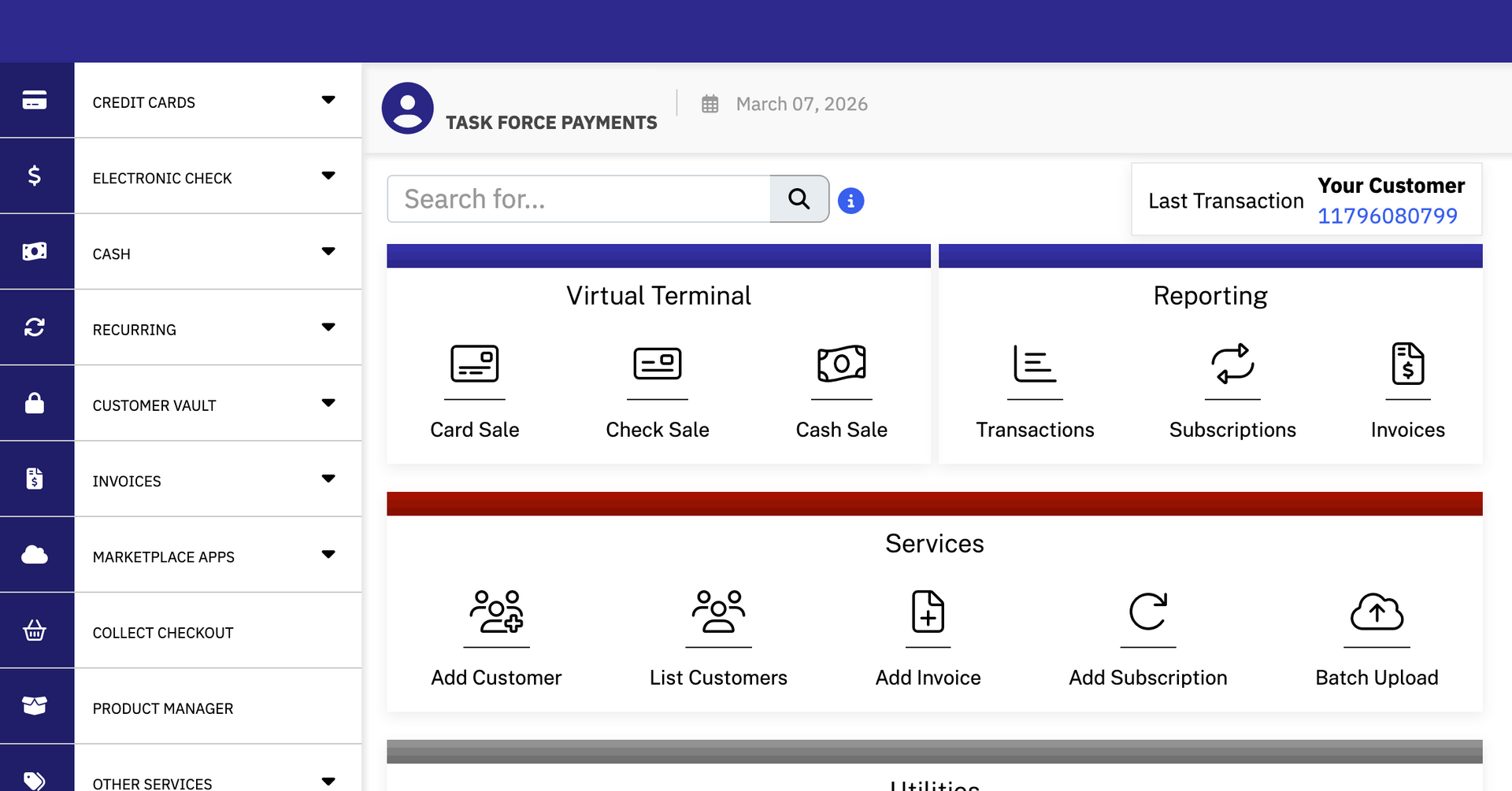
Task Force Payments represents merchants, not banks and not processors. That means we’re not pushing you toward whatever pays us the most commission. We’re looking at your business, your transaction volume, your platform, and what actually makes sense for an online store your size.
If you’re launching an e-commerce site or want a second set of eyes on your current payment gateway setup, reach out. We’ll give you a straight answer.