Unattended Payments
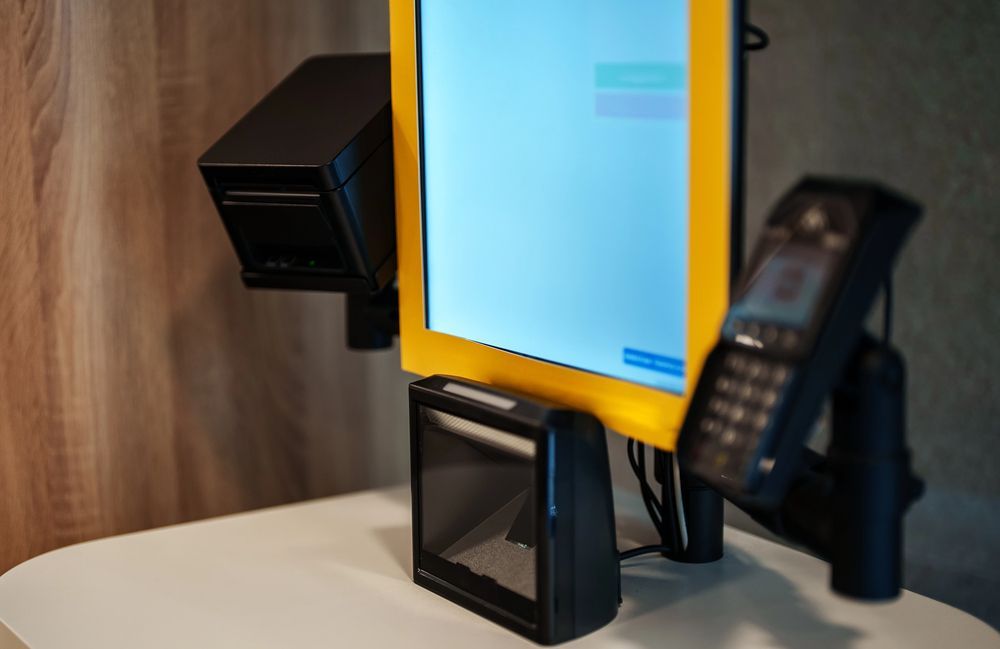
Unattended payment systems let customers pay without staff involvement. The terminal accepts the card (or the contactless tap, or the EMV chip), processes the transaction, and moves on. No line, no waiting on a human to run the sale, no shift coverage required.
If you’re running a self-serve operation and still relying on coins or a terminal that predates contactless payments, Task Force Payments can help you find the right fix.
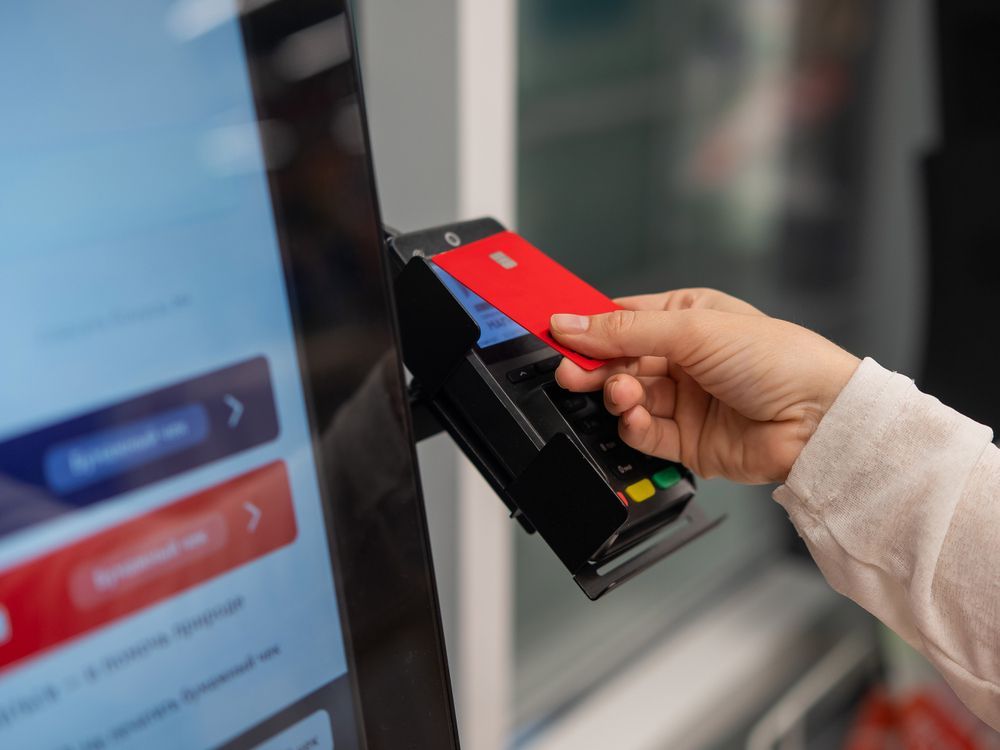
Security First: Tamper Resistance, End-to-End Encryption, and PCI Compliance
With attended payments, a person in the loop can spot a skimmer, flag a suspicious card, or follow a checkout process that protects cardholder data. With unattended payments, the terminal does that job on its own.
That’s not a problem. It’s a design requirement.
Unattended terminals must have physical tamper resistance, point-of-interaction encryption that protects card data the moment it touches the reader, and a PCI DSS-compliant architecture. Task Force Payments doesn’t skip that conversation. Getting security right at installation costs significantly less than recovering from a data breach.
We’ll help you select equipment built to the right standards for your
specific setup, whether that’s a parking kiosk, a laundromat, an amusement arcade, or something else entirely.


Your Machine Works the Night Shift: Uptime and Reliability for 24/7 Operations
Self-serve machines don’t call in sick. They don’t take lunch. A well-configured unattended payment terminal processes transactions at 2 a.m. on a Sunday the same way it does at noon on a Tuesday.
For businesses where revenue doesn’t follow a 9-to-5 schedule, that reliability is the whole point. If a customer shows up at your car wash at 11 p.m. and the payment system is down, that’s a lost sale you’ll never know about. If your laundromat kiosk fails Saturday morning, you’re not just losing revenue. You’re building a reputation for being unreliable.
Uptime isn’t a feature you can add later. It’s baked into the payment hardware and processing infrastructure you choose up front.
EMV Chip and Contactless Payments Are the Baseline, Not an Upgrade
Phone wallets and EMV chip cards aren’t niche technology. A significant portion of your customers already pay this way and expect it to work at your machine.
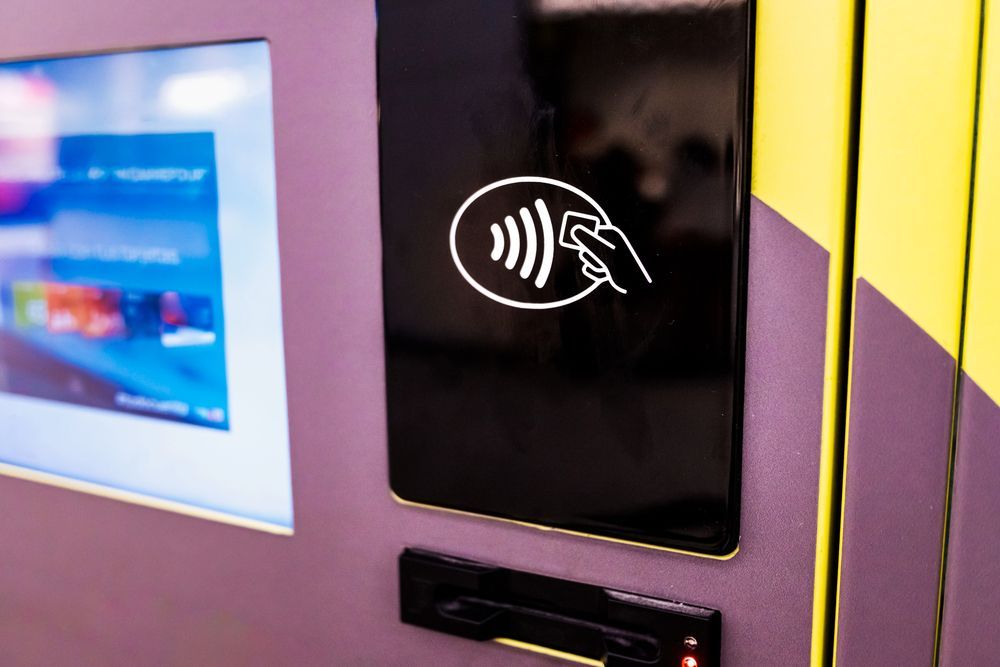
EMV (the chip standard) reduces counterfeit card fraud by generating a unique transaction code for each payment. Contactless payments (NFC-based phone tap or card tap) make transactions faster and reduce physical wear on the terminal over time. Supporting both means you’re not turning away customers because your hardware is behind.
Older unattended terminals that only accept magnetic stripe swipes or coins are leaving real money on the table. Not because customers demand the newest thing, but because they’ve already moved on and will skip your machine for one that accepts their preferred payment method.
Task Force Payments specs terminals that handle chip, tap, and mobile wallets as a baseline. Not as an upgrade.


Coin Collection vs. Digital Payments: A Logistics Comparison
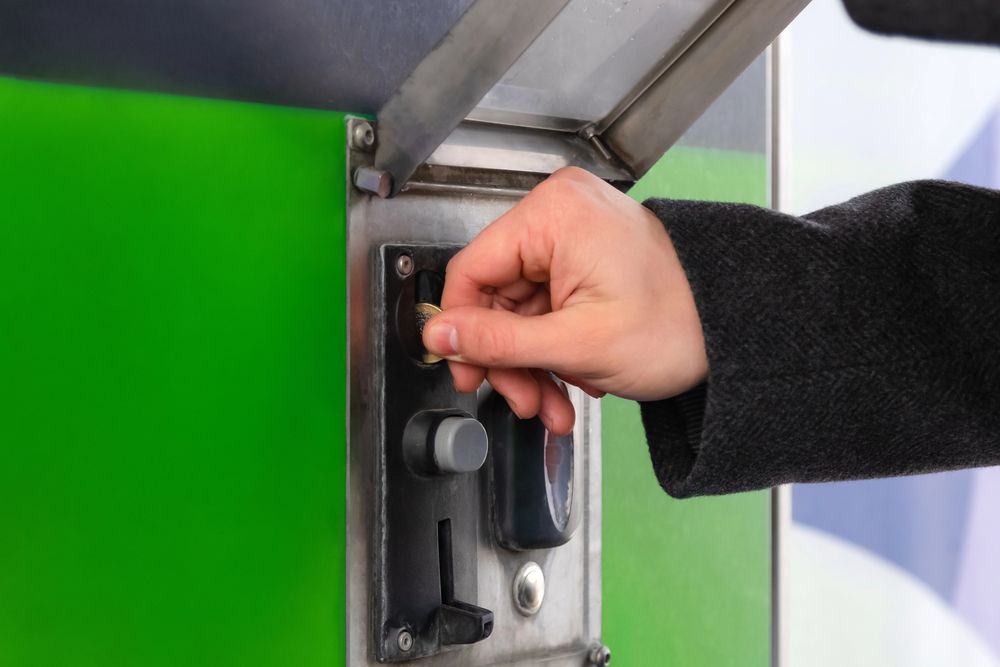
Quarters work fine, except someone has to collect them, transport them, count them, and deposit them. That’s time, that’s labor, and it’s a security consideration whenever you’re moving meaningful cash volume. It’s also a customer friction point any time they don’t have exact change.
Digital payments (card and contactless) settle directly into your bank account. No armored car pickups, no counting machine in the back room. Transaction reconciliation happens automatically through your merchant account.
If your unattended setup still depends heavily on coin collection, switching to card and contactless payments typically pays for itself faster than operators expect. We’ve run the numbers on setups like this and are happy to walk through what it looks like for yours.
Let’s Look at Your Setup
Whether you’re adding payment capability to a new self-serve machine or replacing outdated equipment at an existing location, Task Force Payments can help you identify the right terminal, the right payment processor, and the right configuration for how your business actually runs.
Send us a note with what you’ve got and what you’re trying to do. We’ll give you a straight answer.